New Finance System Launched
New Finance System Launched
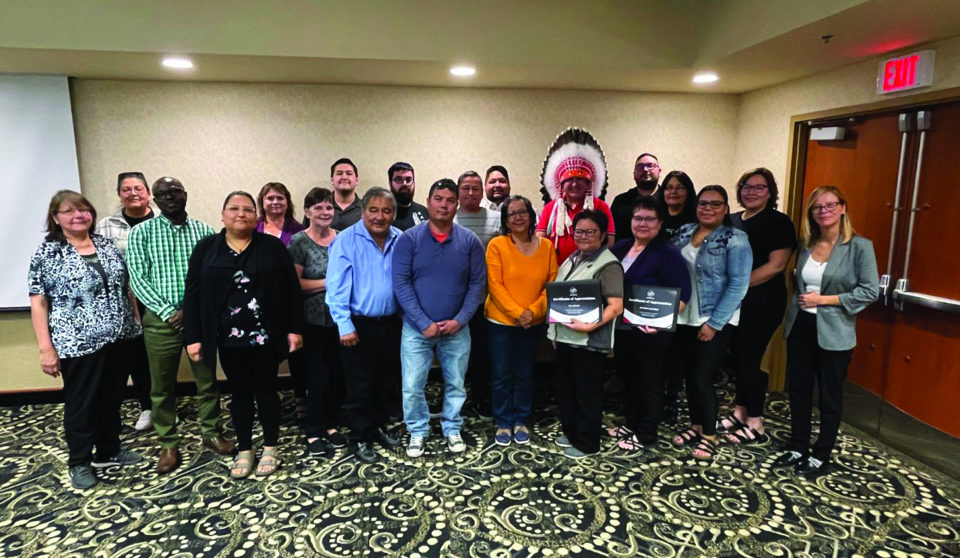
On November 1, the Finance Transformation Project reached its most important milestone – the new Opaskwayak financial system officially went live. While most community members won’t see a big difference, it was a great day for staff and the people of Opaskwayak.
“After almost four years of hard work, we now have a system that will give us one consistent way to manage and track money across the seven Opaskwayak branches and central administration,” said Rhonda Ross, Chief Executive Officer and Project Sponsor. “This is critical for effective planning for community priorities as well as managing risks and managing budgets. And for the first time ever, it will give Opaskwayak leadership clear real-time reports of what is happening financially across our Nation. And, of course, ultimately better service delivery to the community.”
The first phase of the project looked at the different ways money was being managed across Opaskwayak. Because four of the branches were separate entities, each of them used different accounting systems. This made it very challenging to provide leadership with timely and accurate financial information. Then you factor in around 250 to 300 program areas delivering services to community members, and most had their own way of managing budgets and funds to be compliant with external agencies rather than allowing us to focus on our community priorities.
“After almost four years of hard work, we now have one consistent way to manage and track money across the seven Opaskwayak branches and central administration,” says Rhonda Ross, CEO.
“When we started, we collected 15,000 codes in the charts of accounts,” added Ross. “We had to be sure we understood what each account was, to consolidate it down into the manageable 250 we now have today. There were also different software programs speaking different languages inside Opaskwayak and over 50 different kinds of external software pieces, like the terminals people use to pay for products and services. Now, we have less than ten.
“The staff involved in completing the tasks on the project were incredible. They managed to help build the blueprint for the new financial system, all the while keeping up with their regular day to day work so that our community members were not too inconvenienced.”
Although the project was long and complicated, it was necessary for Opaskwayak to align policy and practices with the Financial Administration Law, which gave the community access to move flexible funding as well as large-scale capital borrowing through the First Nations Finance Authority (FNFA).
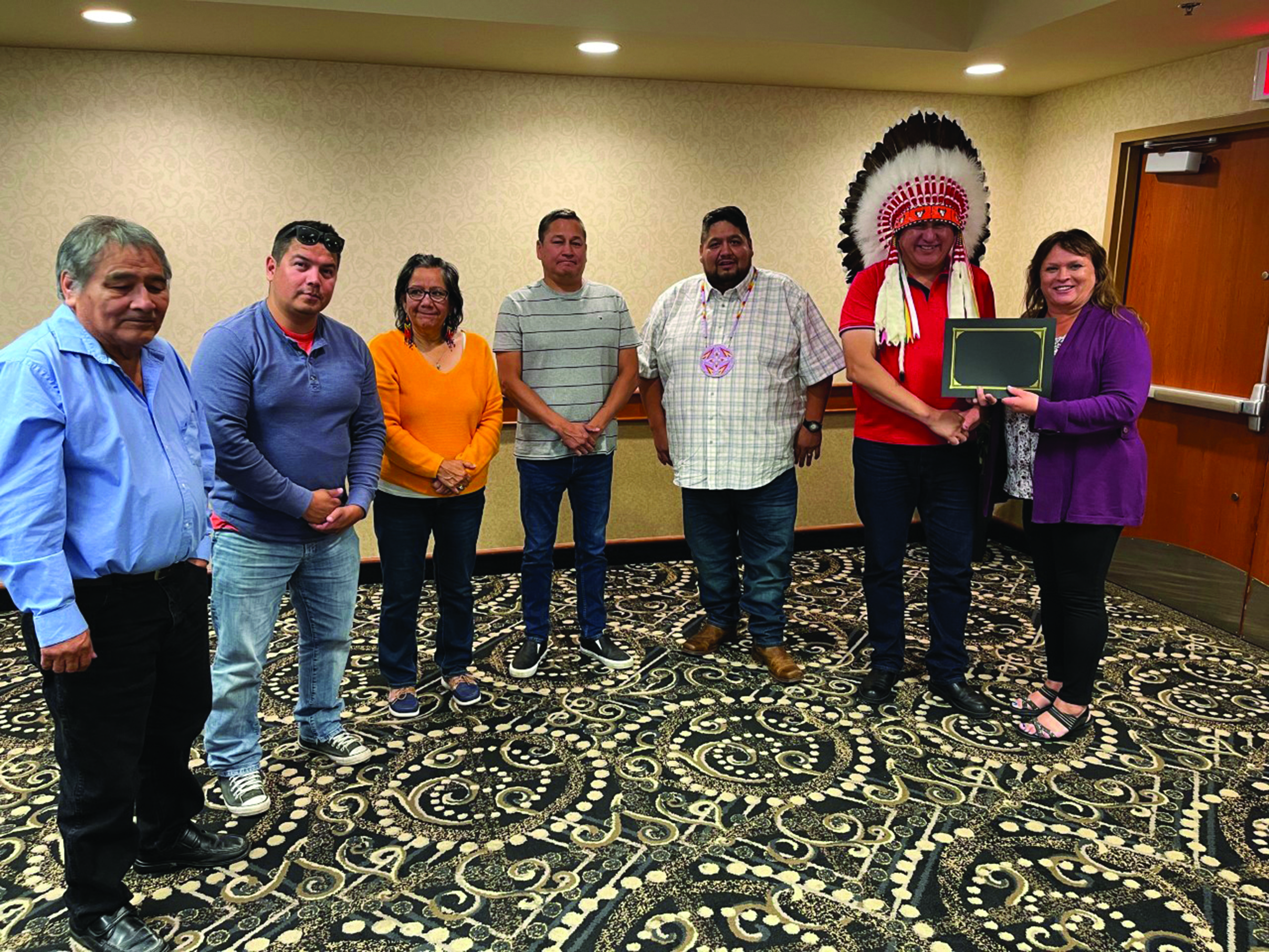
“As leaders, it’s our responsibility to put the systems in place that protect the financial interests of Opaskwayak today and for generations to come,” said John Paul Martin, Treasury Board Vice-Chairperson. “Now, we will be able to make decisions on behalf of the community with the whole financial picture in front of us instead of doing our best with just a few pieces of the puzzle. And every Chief and Council from now on can be more comfortable with that knowledge and can meet the goal of being more accountable to community members.”
One key aspect of the project was to be sure that the people, skills and tools needed to manage the system were built up within Opaskwayak. “Training our people and owning the systems has been an important part of this work,” adds Councillor Martin. “We appreciate the expertise of MNP, who assisted us in this project, but we need to empower and employ our community members. I’m confident that going forward, our staff and community will benefit from the new system.”
But it hasn’t been an easy change for staff. “We know that this has been a challenge for people who have had to re-learn a lot of what they were doing, and we know that the challenges won’t stop now that the system has gone live,” states Ross. “That’s why we’ve put processes in place to help staff across Opaskwayak make the change. We have trained a group we call the Ninjas who have a deeper understanding of the new finance system, to answer questions and help finance people, managers and directors solve problems as the days and weeks roll on.”
“Training our people and owning the systems has been an important part of this work,” says John Paul Martin, Treasury Board Vice-Chair.
As far as day-to-day transactions, community members won’t see too many changes. “The next round of invoices will look a bit different,” adds Nicole Mead, Chief Financial Officer. “But the basic information will be the same. Over the next few months, we’ll be introducing customer service people to help community members understand the fees on their invoices and to help deal with them.”
The financial transformation project fits inside the re-organization across Opaskwayak, which now has seven branches: each with an Executive Director; its own board; and a Councillor who sits as the Portfolio Chairperson of that Board. The eighth councillor chairs the Treasury Board.
“Everything we are doing within Opaskwayak is about making sure the organization is accountable to the community through Chief and Council,” says Chief Sidney Ballantyne. “These are improvements that many community members don’t see. It takes a great deal of time and effort to clean up the systems we’ve inherited and make them Opaskwayak’s own, but it’s critical to the future of our Nation. This will get us closer to tipanimisowin.”
This story was first published in the Fall 2022 Report to the Community.